Time: 16 minutes
“When they’re discussing something, I feel I need to listen to it…”
– Ryan Siew
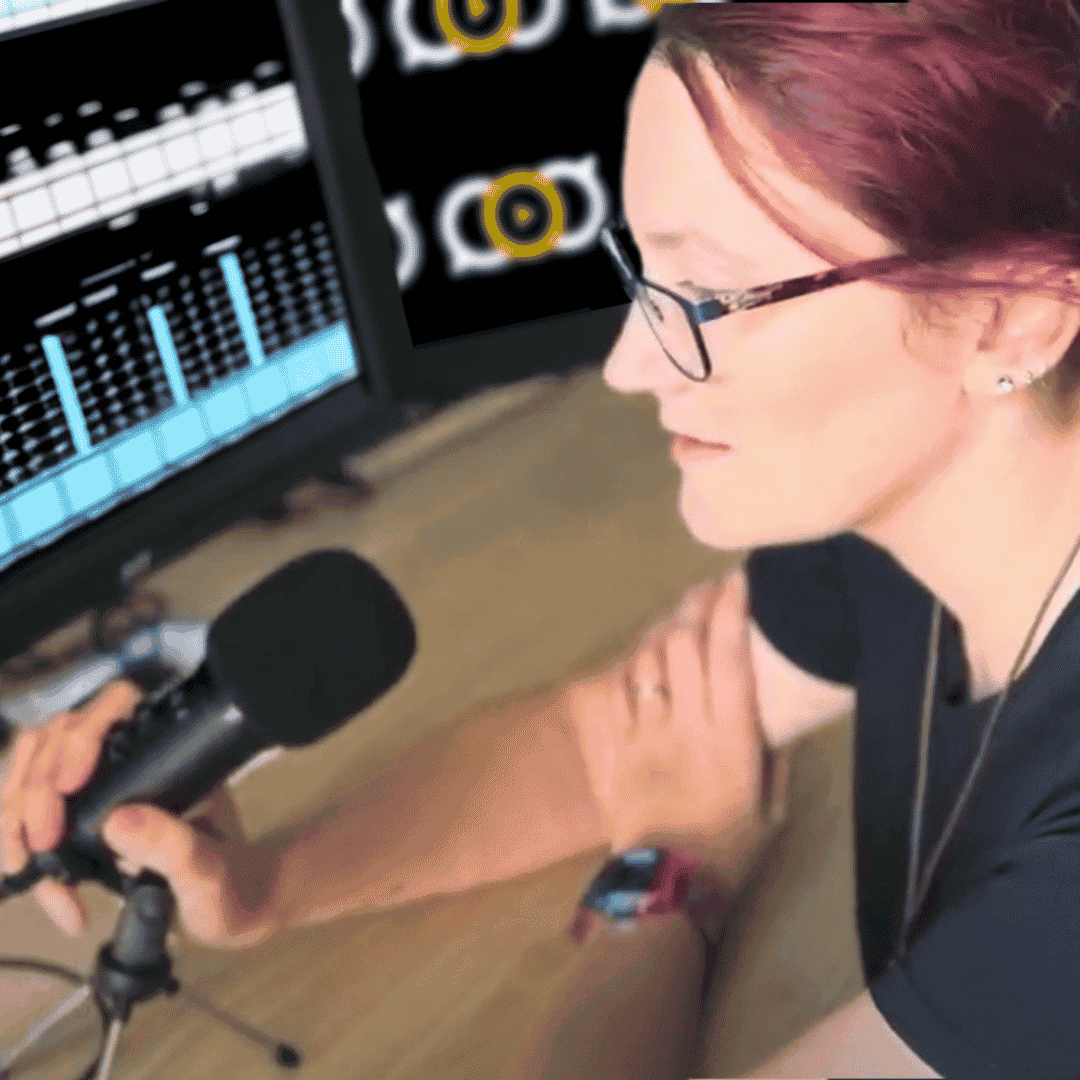
Episode host: Keelan Powell
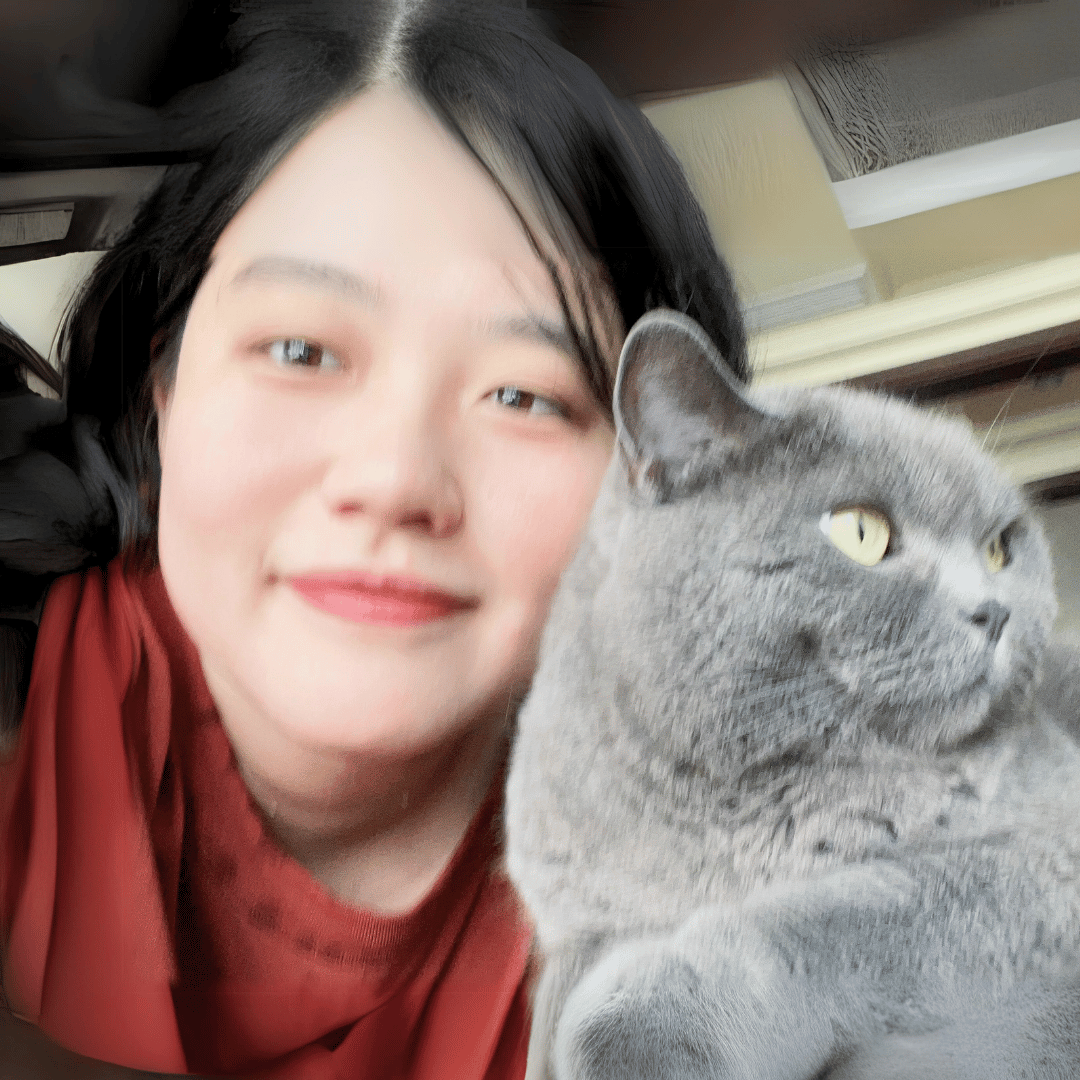
Episode Guest: UWA zoology student, Ryan Siew
Episode Credits
Episode Host: Keelan Powell
Special Guest: Ryan Siew
Producers: Emma Gill, Ke Yuan
Audio Editing and Engineering: Matthew Gill
Show notes: Keelan Powell
Audiogram by Headliner
Copyright information:
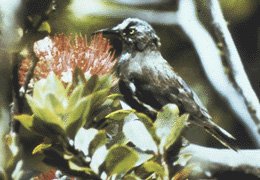
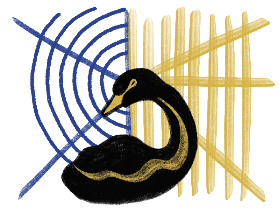
The cover image for this episode is Moho braccatus by John Gerrard Keulemans (Public Domain)
When you make a podcast, you should make something that you care about and that you would want to listen to.
That’s the advice from UWA zoology student Ryan Siew on our latest Winter Shorts episode. Ryan discusses with Master of Science Communication alumnus, Keelan, how his listening preferences and his passion for conservation informed the decisions he made for the mini-podcast he shares.
Ryan focused on the famous story of the extinction of the Kauaʻi ʻōʻō in the early 2000s, then tied that forward to the plight of the Carnaby’s Black Cockatoo today to make the story matter to his audience.
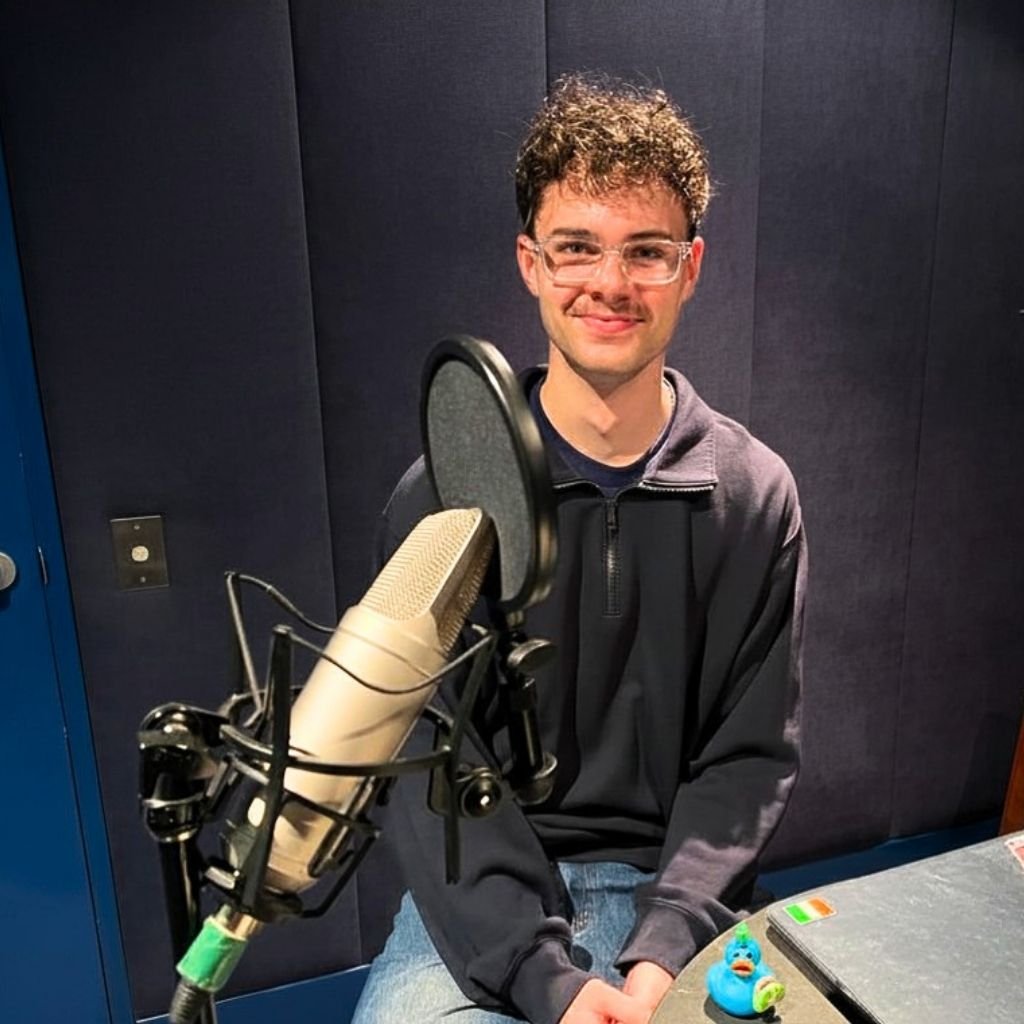
“How do I make it important to someone? You can tell someone a terrible story, but what do you stand to gain out of telling the story that’s important? It’s a matter of how to create meaning.”
– Ryan Siew
Episode links:
UWA Science Communication Minor
Ryan uses this recording in his 3 minute podcast: Recording Of The Last Kauaʻi ʻōʻō Bird. (2020). Internet Archive.
Ryan directly relates the extinction of the Kauai ‘o’o to the current crisis facing black cockatoos: Black Cockatoo Crisis Documentary | Australia Foundation.
Further reading:
Keywords:
Science communication, Student podcast spotlight, The SciComm Collective, conservation, Kauaʻi ʻōʻō, Carnaby’s Black Cockatoo, extinction, last song, silence, podcasting, listening, sound, zoology, Australian birds, US birds
We love hearing everyone’s stories of how they got into science communication. What about you? What brought you here? Feel free to share in the comments!
All opinions on this website are representative of individuals and are not representative of The University of Western Australia. The University of Western Australia is not liable for content herein.