Episode 3.1: Australian science media in the digital era
In conversation with Jasmine Fellows
Episode Fast Facts
Time: 38 minutes
“It’s very responsive these days… the audience is feeding back into what is being created by the editors and other content creators. There is a more democratic way, in a sense, of being able to create content so scientists can directly talk to these audiences as science communicators.”
– Jasmine Fellows
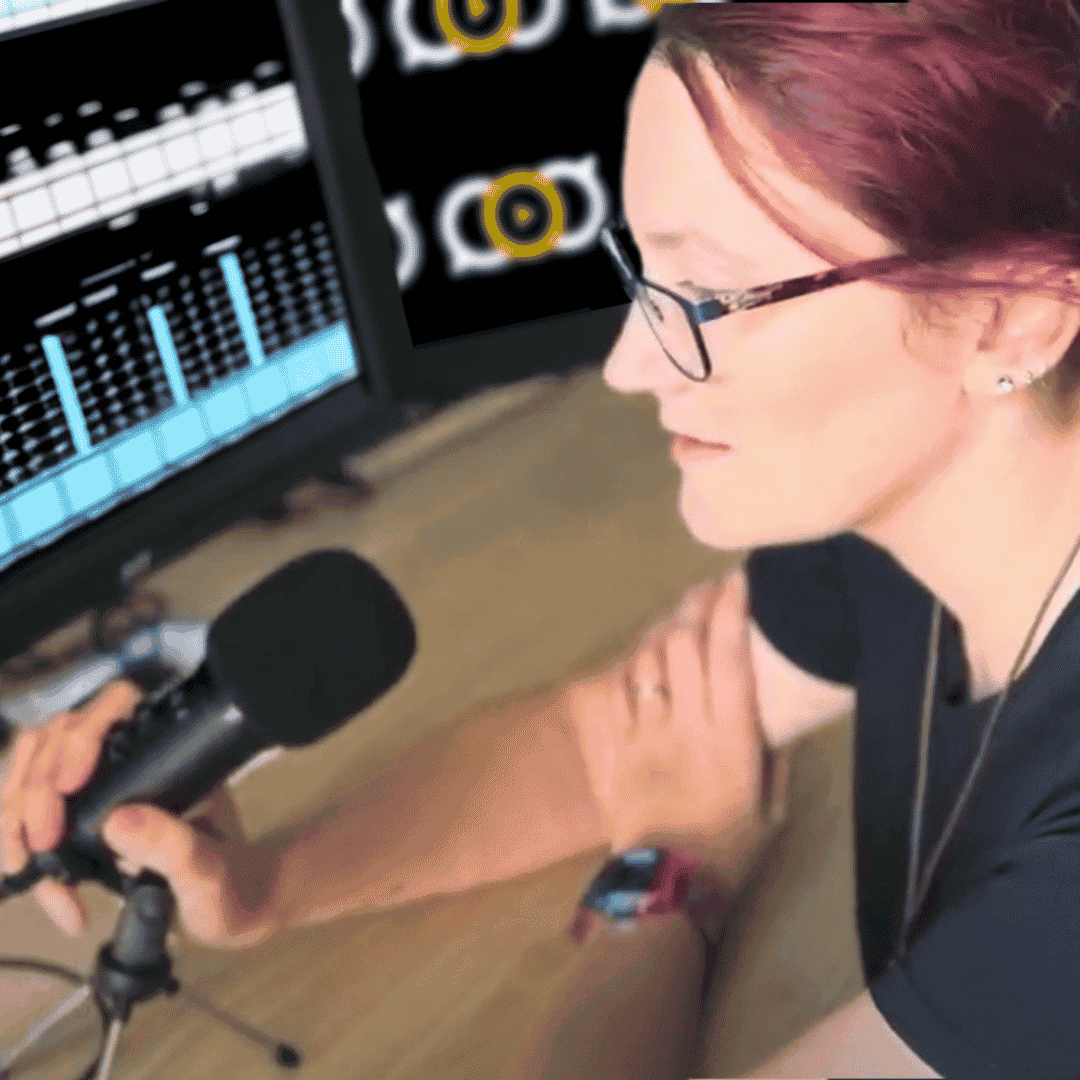
Episode host: Emma Gill
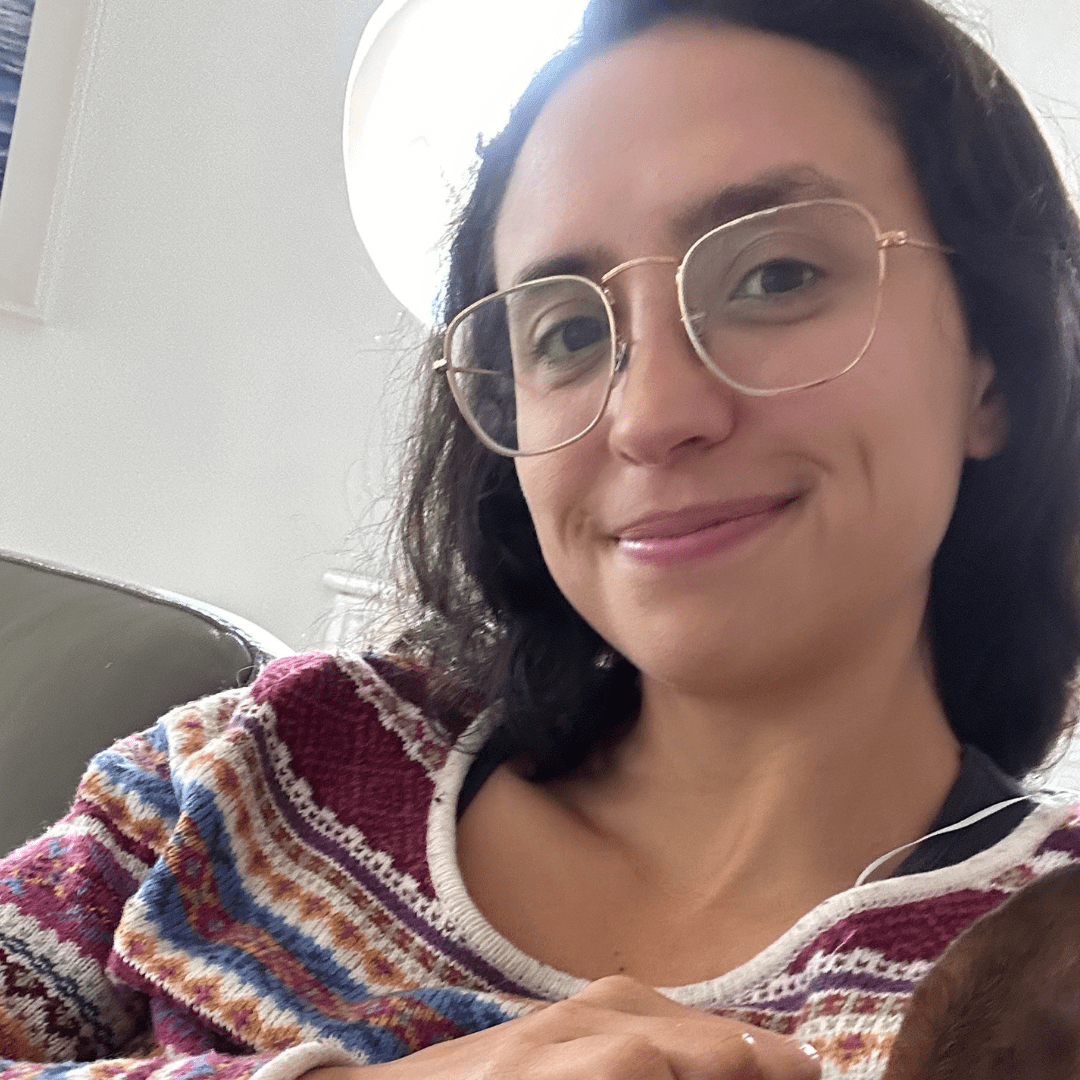
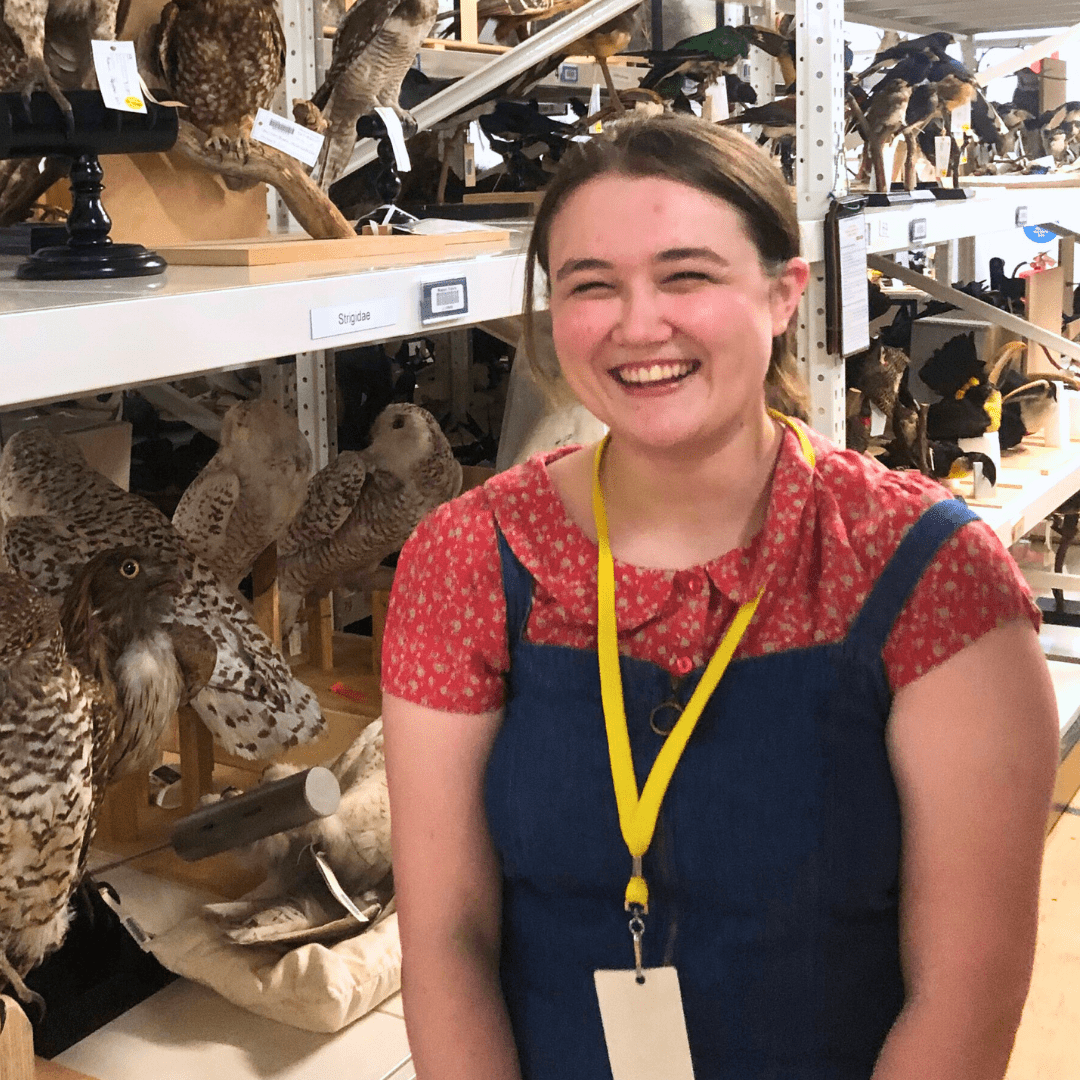
Episode Guest: Jasmine Fellows, Managing Editor of Refraction Media
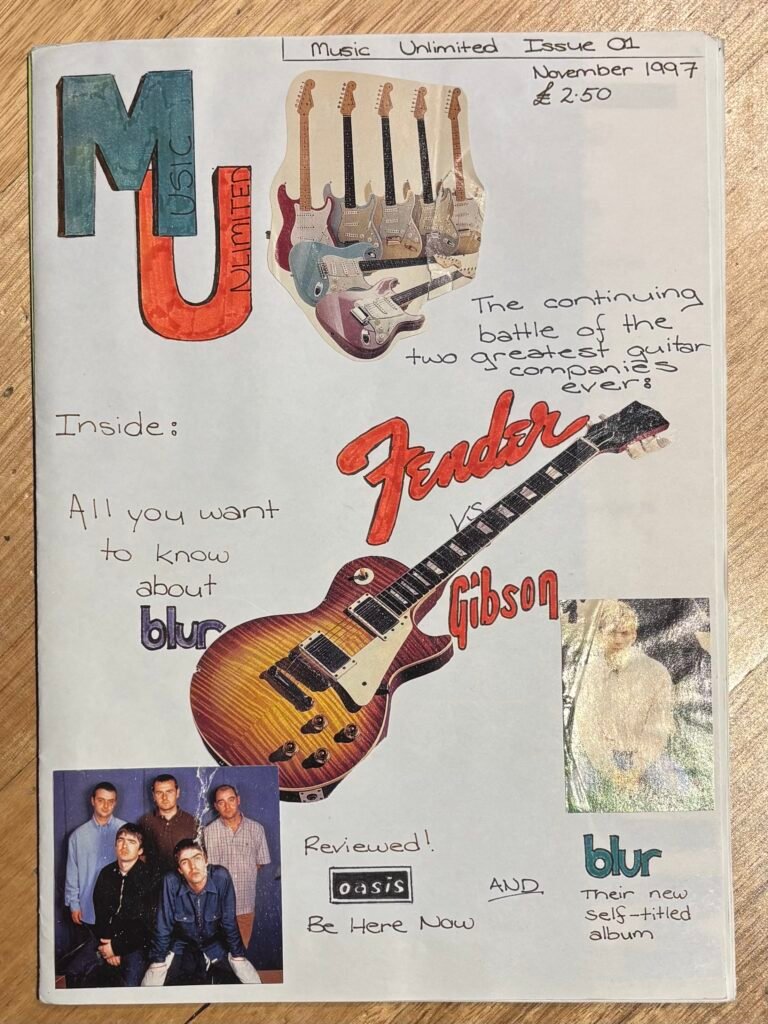
Jasmine's handmade high school magazine from 1997
Episode Credits:
Host: Emma Gill Special Guest:Jasmine Fellows Producers: Emma Gill, Camila Diaz Duran Editor: Matthew Gill Researchers: Holly Dear, Camila Pardo Uribe Shownotes: Emma Gill Audiogram: Adobe Podcast
Keywords:
Science communication, inclusive science communication, science media, Australian media, The SciComm Collective, the deficit model, science communication careers, news values, gender, science journalism, Science Journalist’s Association of Australia, research, journalist, Cosmos, Double Helix, Careers with STEM, science PR
Welcome back to Season 3 of The SciComm Collective! In this season we’re talking about how science stories get into public spaces like news, magazines, theatre, parks, museums, science centres, and youth groups. In our first episode, Emma chats with Jasmine Fellows, Managing Editor of Refraction Media and former editor of Cosmos and Double Helix magazines at CSIRO.
Jasmine shares how she got into science writing and editing, what she’s currently working on, and how digital versus print isn’t the problem – it’s more about what we’re saying, why, who with, and how long it takes to get a story out. Emma and Jasmine talk about news habits of Gen Z, how funding makes a big difference, long form versus short form (like social) media, inclusion in science media, and the differences between science communication and science journalism. Tune in to learn more about the Australian science media landscape in 2026 and how you can get involved!
“News habits of young people are radically different. It’s social media and short form video…It’s not necessarily the way our media outlets are delivering their content in the first instance.” – Jasmine Fellows
We love hearing everyone’s stories of how they got into science communication. What about you? What brought you here? Feel free to share in the comments!
We acknowledge, with respect, the Whadjuk people of the Noongar Nation as the Traditional Custodians of the land on which we work and produce The SciComm Collective, and pay our respects to Elders past and present. We extend our respect to all Aboriginal and Torres Strait Islander peoples.
All opinions on this website are representative of individuals and are not representative of The University of Western Australia. The University of Western Australia is not liable for content herein.