In our Winter Shorts finale, join Crystal, Camila, and Heather to unpack science podcasting motivations and inclusive scicomm practices.
In our Winter Shorts finale, join Crystal, Camila, and Heather to unpack science podcasting motivations and inclusive scicomm practices.
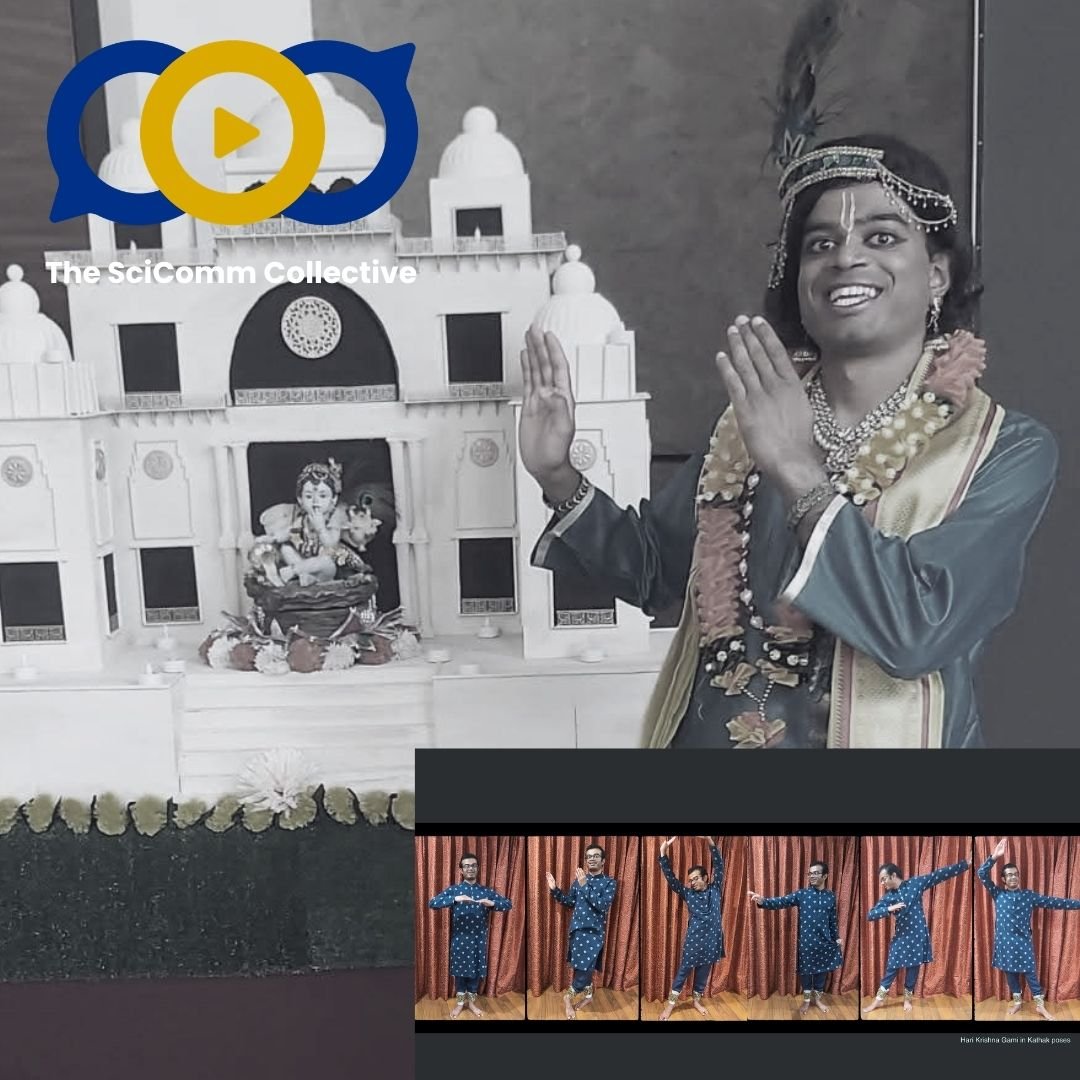
“The conversation needs to be less around ‘do you belong to a certain community?’ and instead ‘do you belong to...

"The key message I wanted [my audience] to come away with is to affirm your self-value in things other than...
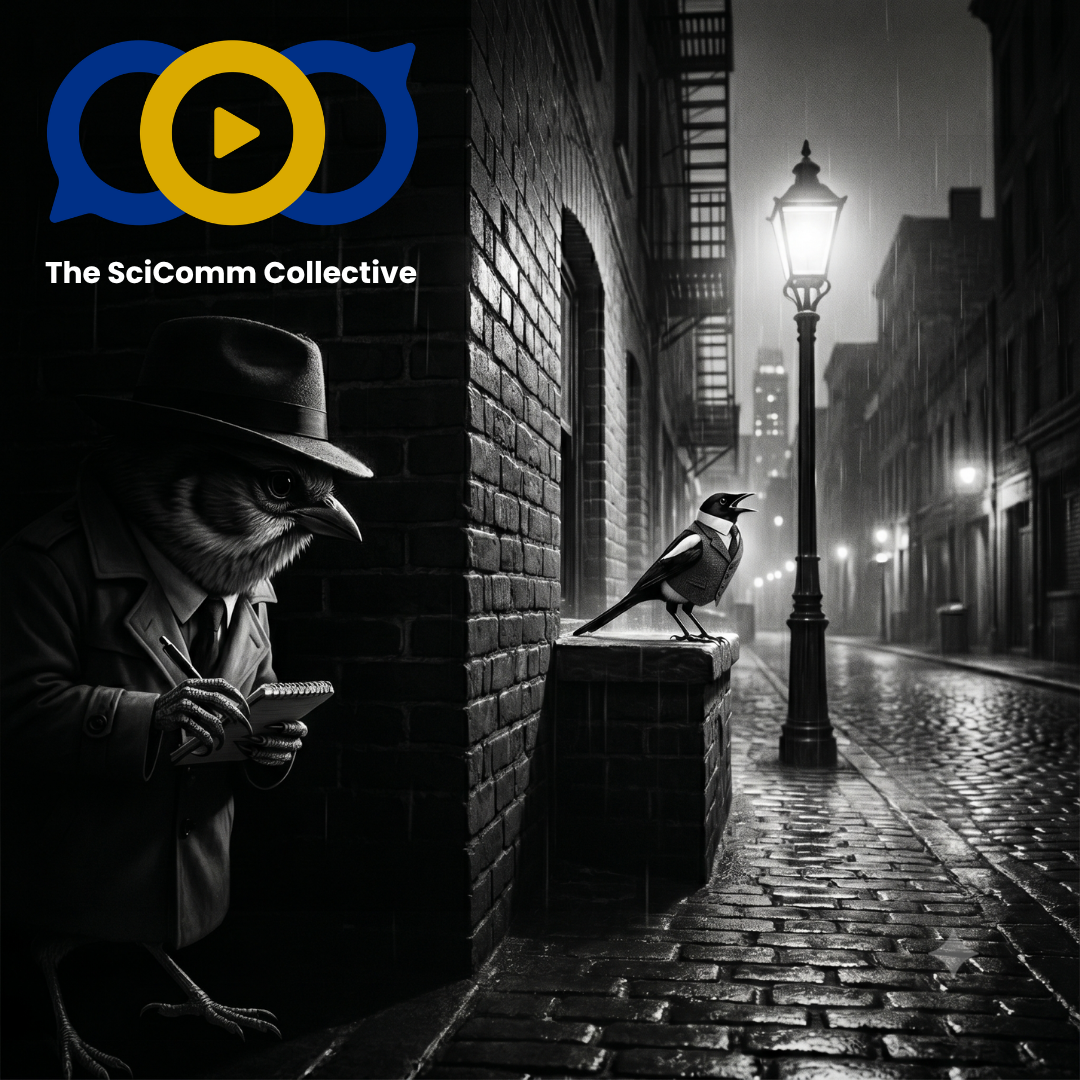
Explore how scicomm minor student Sarah Brown blends science with storytelling to investigate the mysterious nighttime singing of Australian magpies.
This week, Emma reflects on her science communication journey, sharing lessons from creating her insightful podcast episode on misophonia.
Listen to our Winter Shorts opening episode with insider tips on mastering podcast interviews!
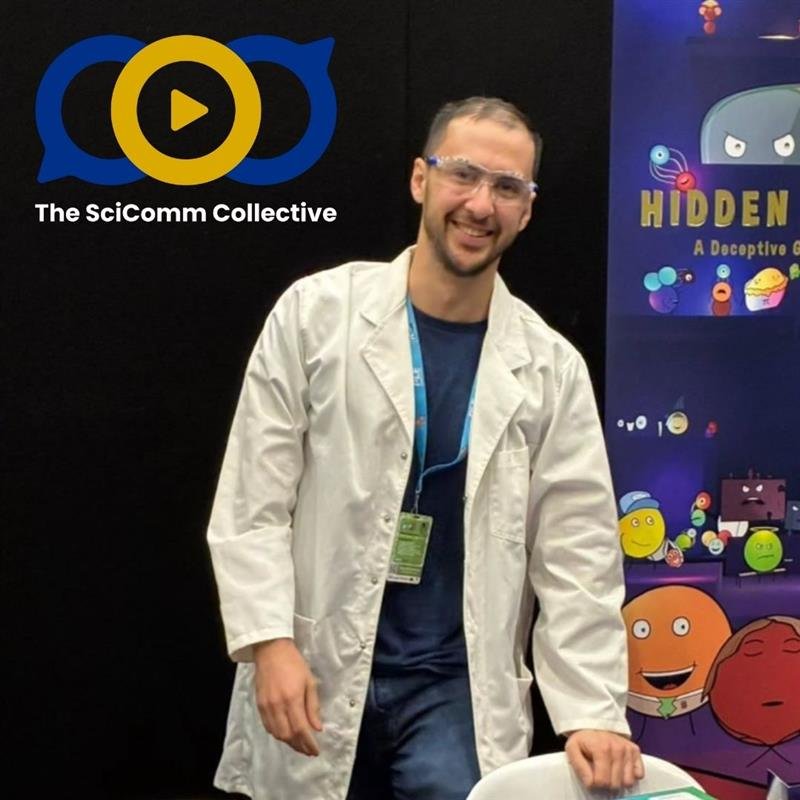
"The fun has to be a priority, because if people don't enjoy the game, they're not gonna play it, they're...
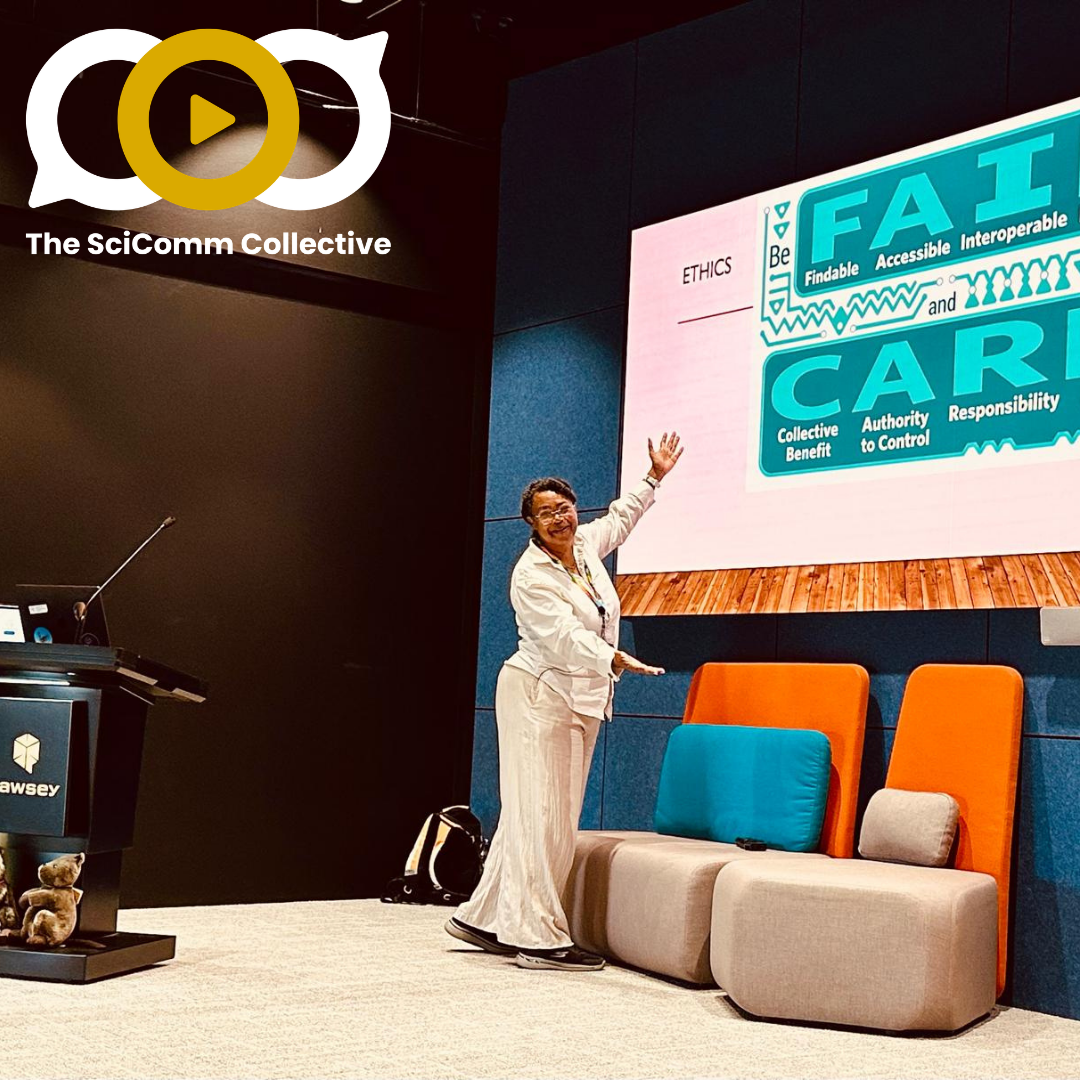
“When I go into those two different communities, I have to introduce myself differently.” – Dr Jarita Holbrook
In our Winter Shorts finale, join Crystal, Camila, and Heather to unpack science podcasting motivations and inclusive scicomm practices.
“The conversation needs to be less around ‘do you belong to a certain community?’ and instead ‘do you belong to...
"The key message I wanted [my audience] to come away with is to affirm your self-value in things other than...
Explore how scicomm minor student Sarah Brown blends science with storytelling to investigate the mysterious nighttime singing of Australian magpies.
This week, Emma reflects on her science communication journey, sharing lessons from creating her insightful podcast episode on misophonia.
Listen to our Winter Shorts opening episode with insider tips on mastering podcast interviews!
"The fun has to be a priority, because if people don't enjoy the game, they're not gonna play it, they're...
“When I go into those two different communities, I have to introduce myself differently.” – Dr Jarita Holbrook
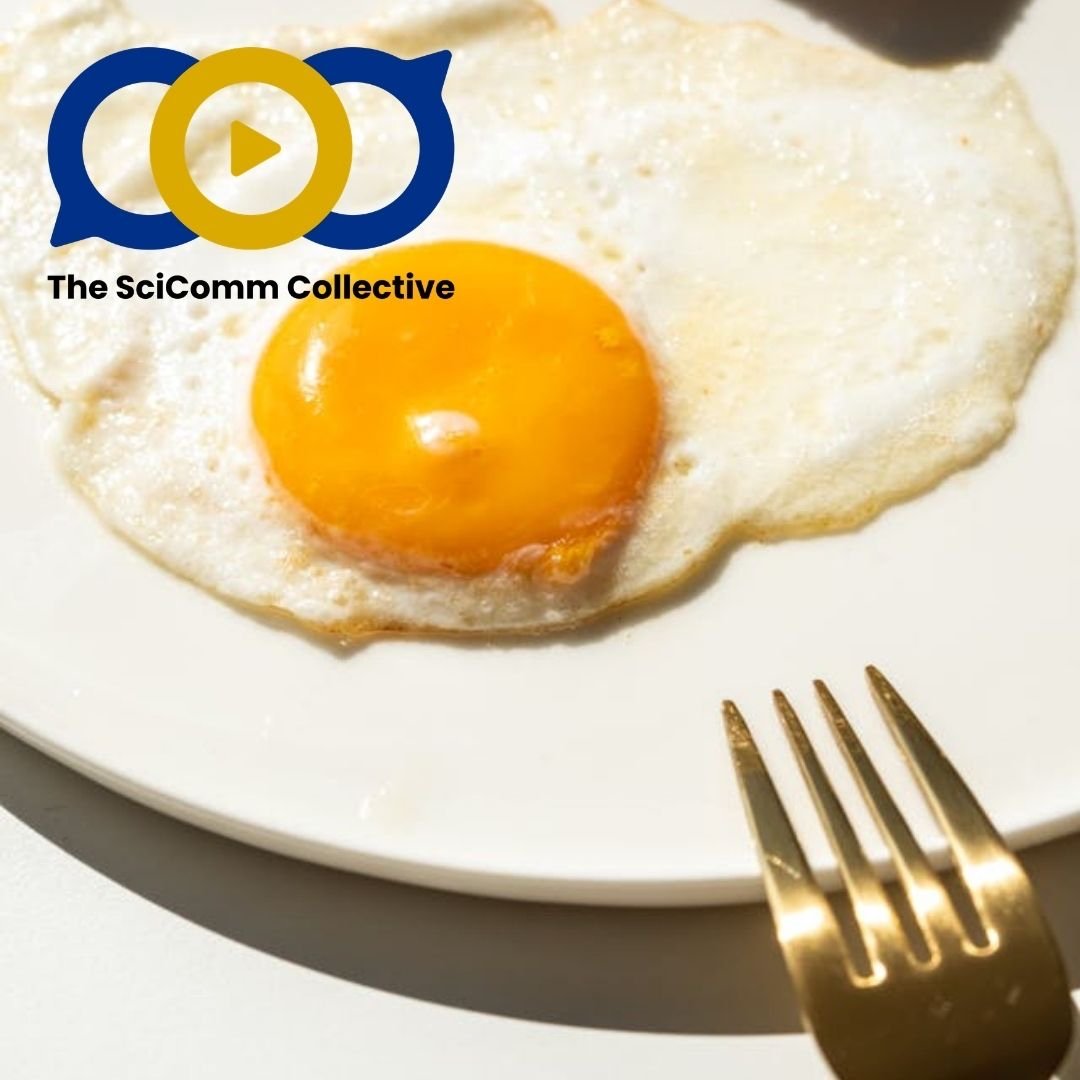
“I think of the audience as a fried egg.” – Dr Phil Dooley
“Take the time to listen, not just speak. You do have to trust what they tell you.” – Keelan Powell
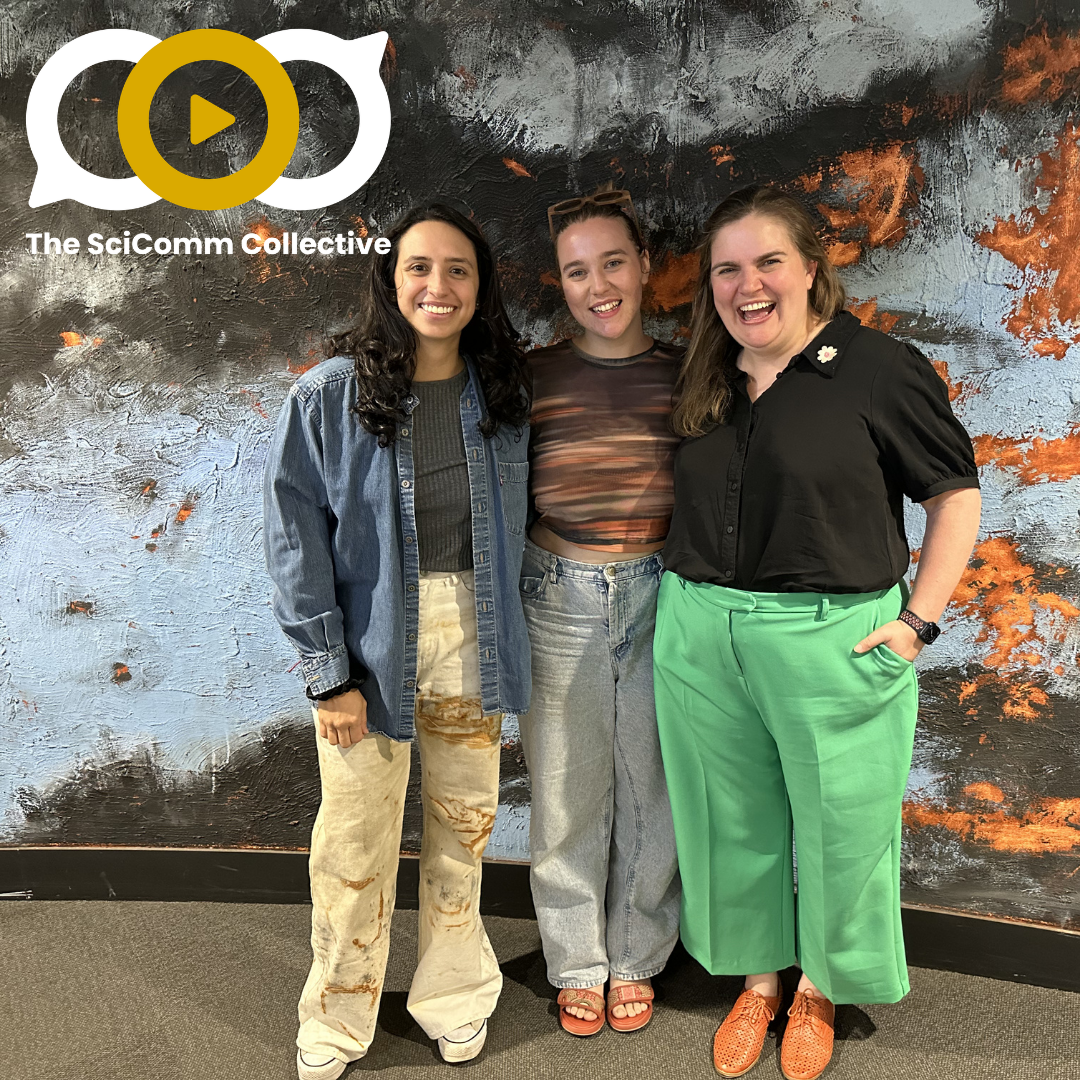
“There is this view in Western science that because there is knowledge, you are entitled to it (…) You're not...
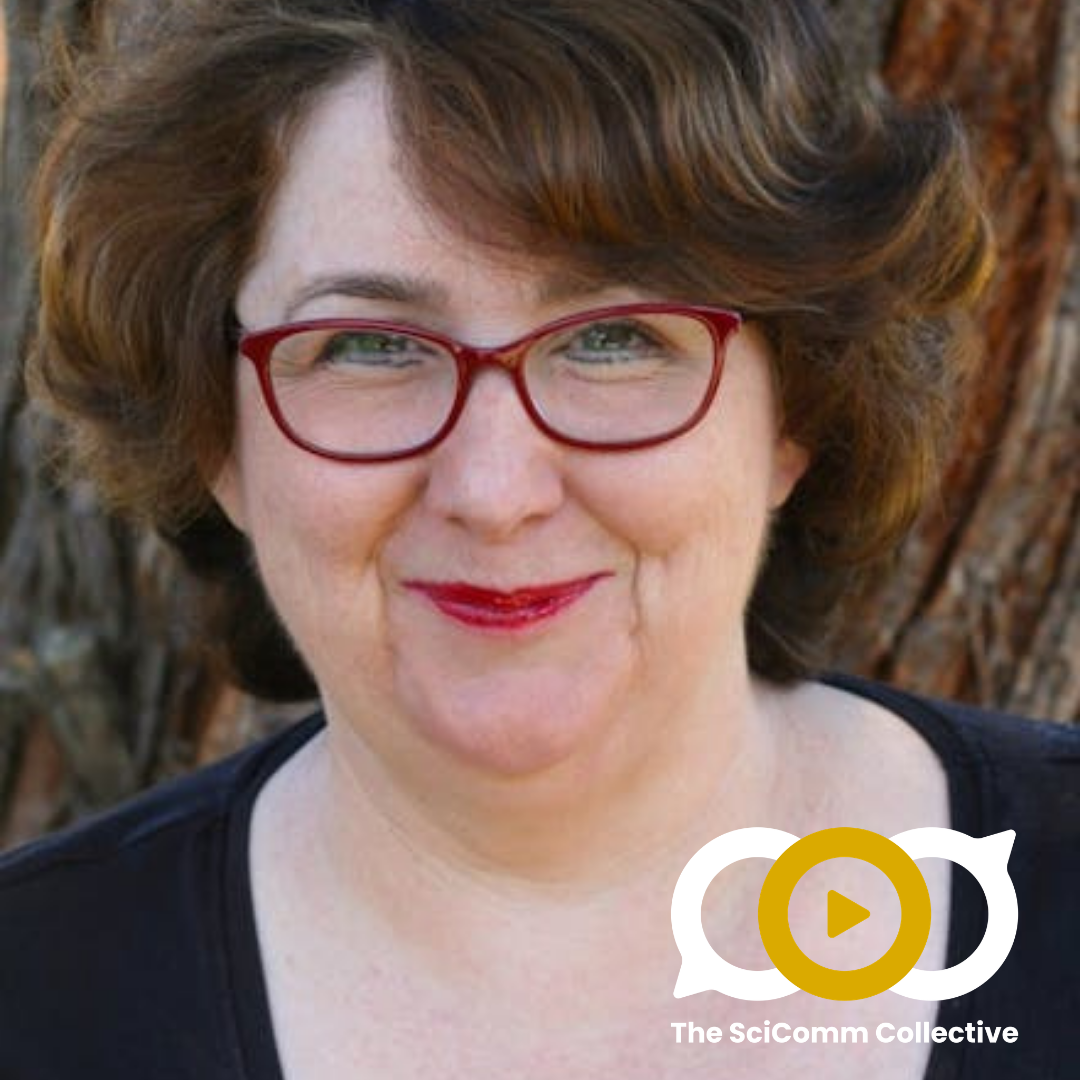
“The idea that science doesn’t know everything blows their mind” - Pamela Freeman
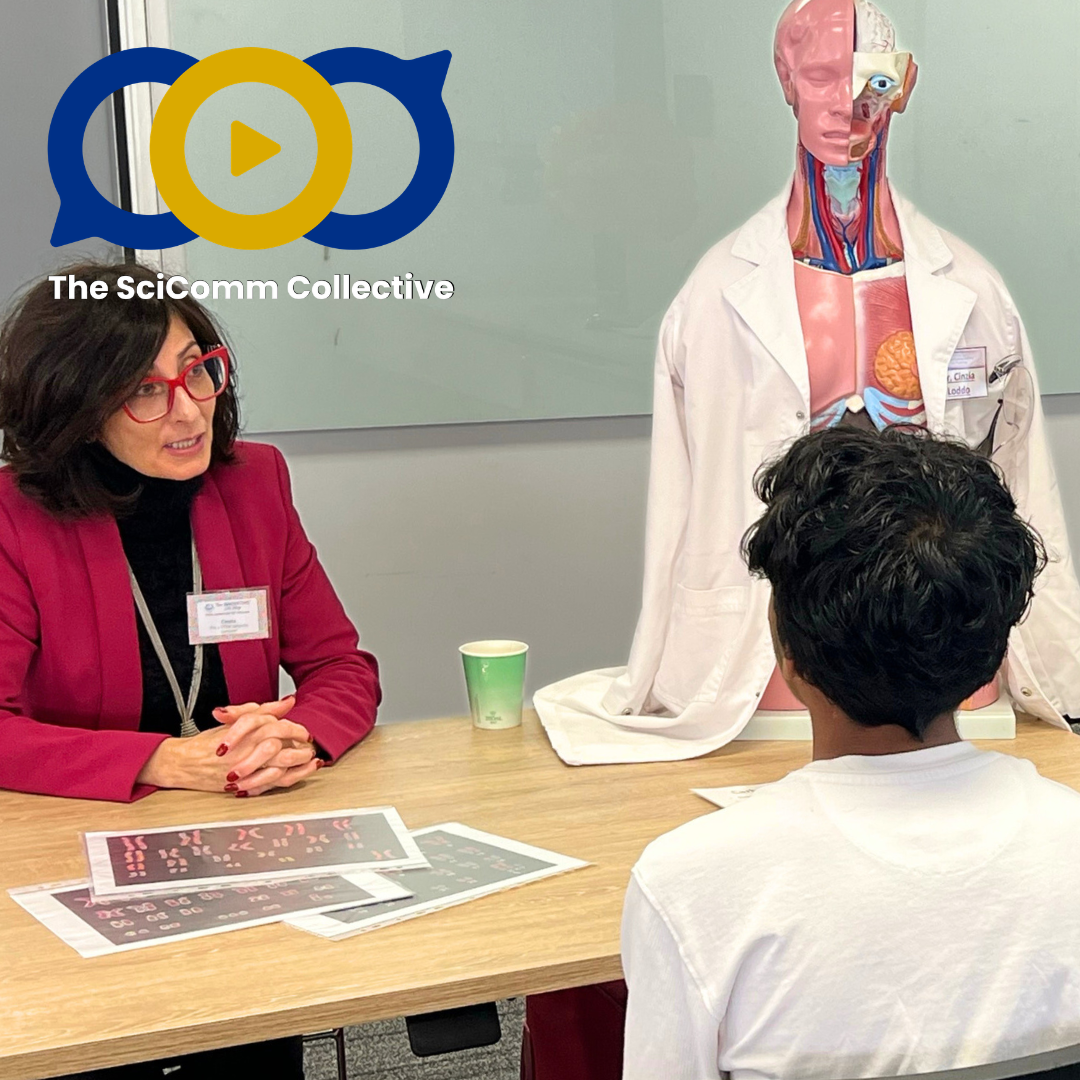
“I think we're a lot more aware of the challenges and the differences that women experience in the STEM fields...

“Science communication is not just about talking to the media; it's about this broader relationship. Food is social, not just...
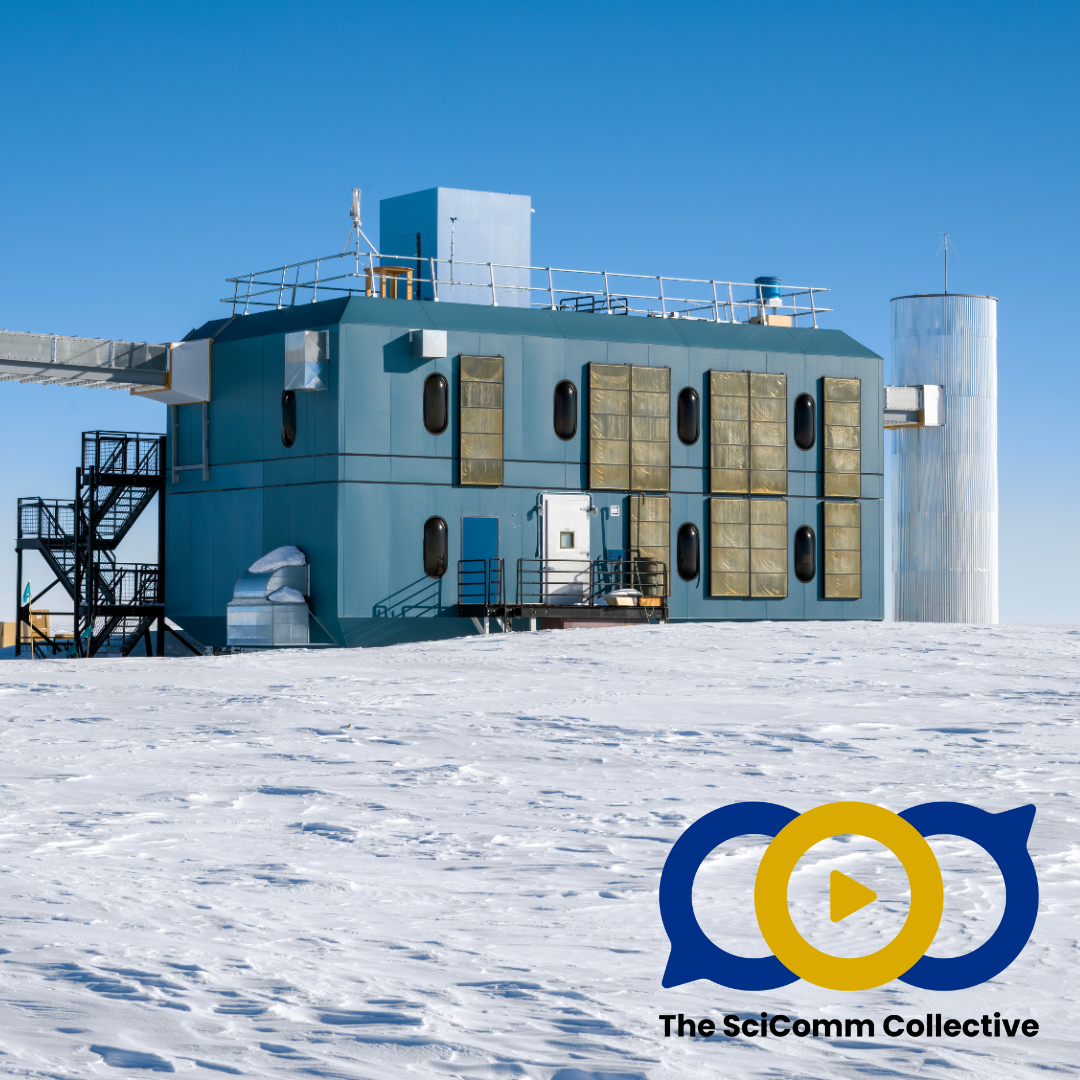
"Deep beneath an icy land of endless day and night, the Unseen races through the cold beyond the speed of...
"I liked the story of it and that's why I wanted to use that, to present [geology] in a way...
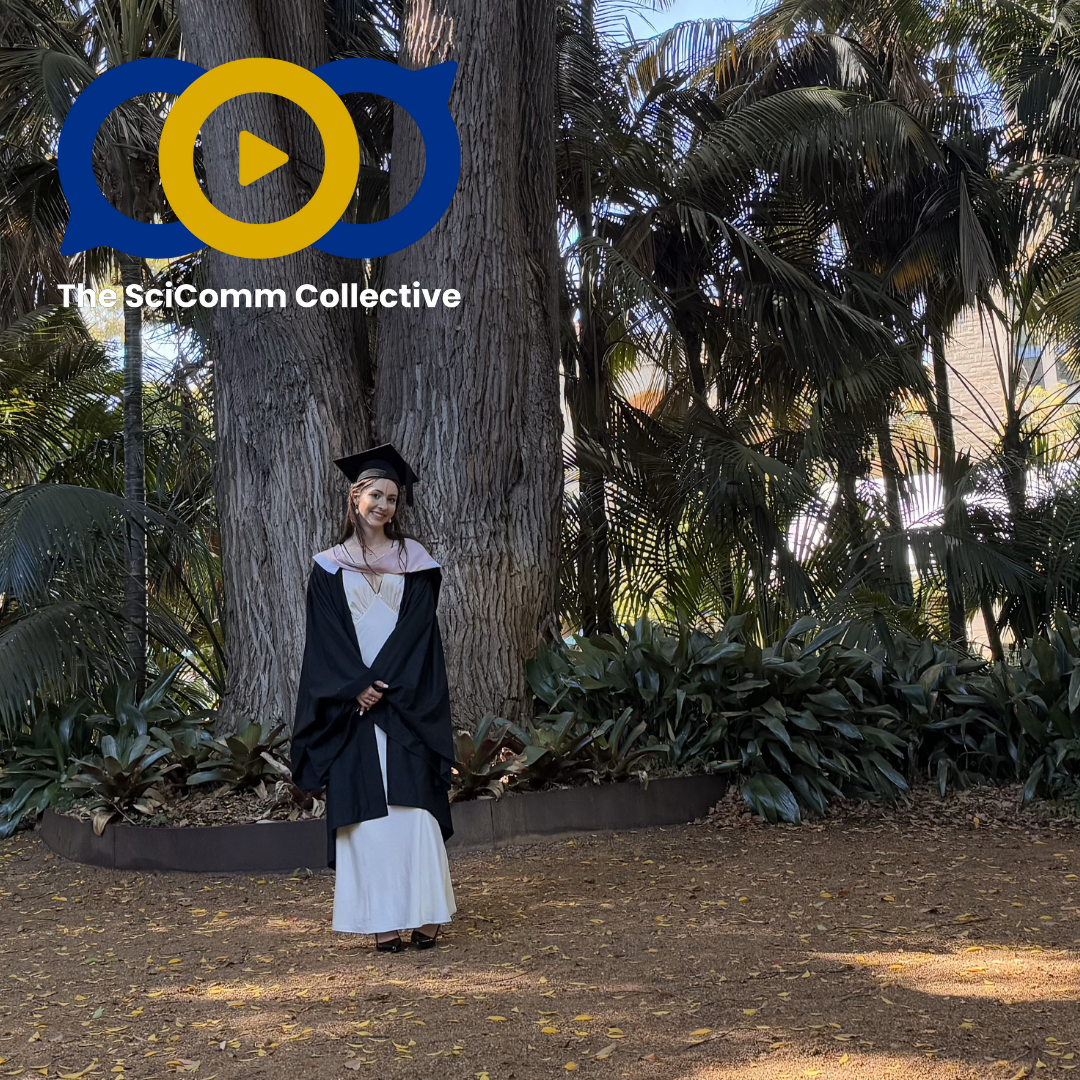
UWA Biomedical Sciences graduate Lotte shares how stumbling upon the UWA tropical grove inspired her 'forest bathing' meditation podcast.
In this episode, Biomedical Science and SciComm student Felice shares how Australia's unique biodiversity inspired her podcast about triggerplants.
"Science can be silly, it can be goofy, it can be funny, and interesting!" - Anna Balaguer
"Podcasting is in a different lane to other forms of science communication." - Rose Kerr
"We're all part of this science community and we all have something to contribute to the mix." - Ann Grand
"I thought, gee, this might be the most important thing I ever do in my career." - Professor Neil Gemmell
"We are here behind the scenes to help the science be more accessible, to remind the scientists to listen to...
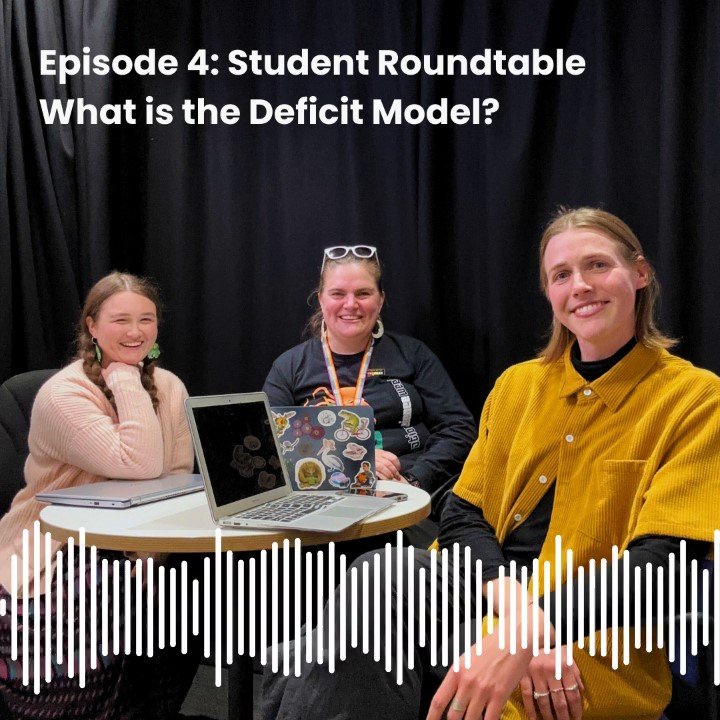
"The deficit model assumes that your non-scientific audiences are empty vessels suffering from a deficit of scientific knowledge." - Kelly...

“Seadragons are a great entry point for people to learn more about marine biology and conservation.” - Chrissy Tustison
"Find that thing that lights you up. Find your community." - Heather Bray

“The value of science communication emerges from the person that you are and the questions that you have.” – Ann...