14 October 2026
The New Noah's Ark: Contextual Biases in Conservation
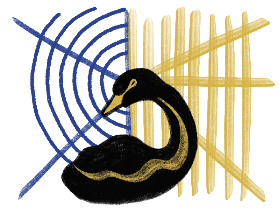
Noah’s Ark is a symbolic safe haven for all creatures big and small – but only if you are useful or appealing....
24 September 2026
English as the International Language of Science and the Illusion of Postcolonial Moments in Research
English is the the international language of science. What does this mean for scientific practices and...
10 September 2026
Narrative in Science Communication: Beyond the Hero's Journey
Joseph Campbell's Hero's Journey has long been deemed as the golden standard in storytelling. However,...
09 July 2026
Science Writing: Gracie's Energy Adventure
How do you write for young children? Connie Greeve shares her illustrated story about renewable ener...
02 July 2026
Letters to Sir David Attenborough
On the 8th of May 2026, people around the world came together to celebrate Sir David Attenborough's 100th...
11 June 2026
What Makes a Good Presentation? Insights from a Workshop with The Speakers Union and The Science Union
Earlier this year, we had the pleasure of accompanying The Speakers Union and The Science Union in their...
02 June 2026
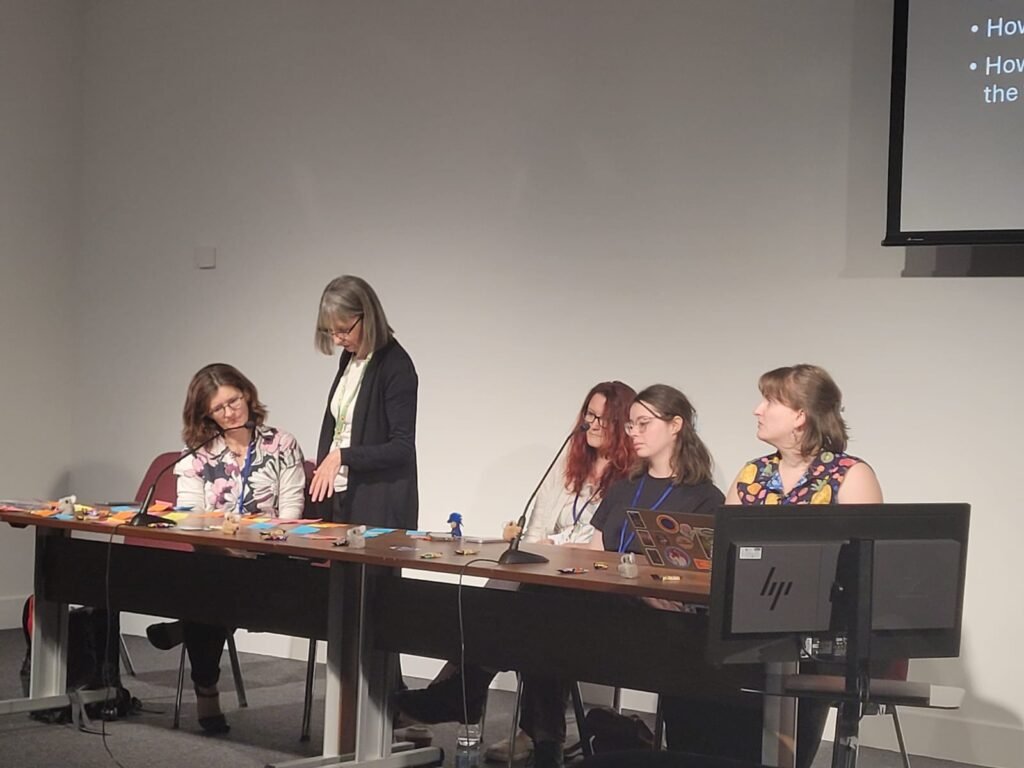
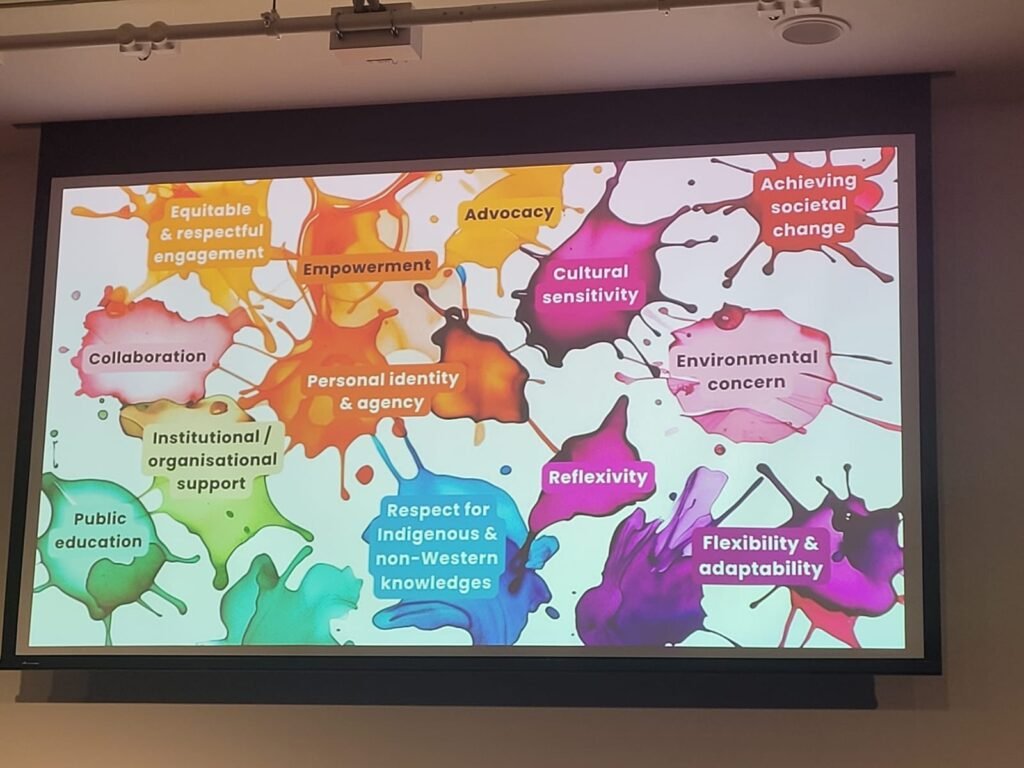
Towards More Inclusive Science Communication: a Collective Reflection
A year after the 18th International Conference of the Public Communication of Science and Technology...
23 April 2026
Reflections of UWA Open Day Activities
On UWA Open Day this year, we worked to raise awareness of our discipline for prospective undergrads...
16 April 2026
Science Writing: Wisdom of the Wild
Rakus the orangutan was found with an alarming wound. His proceeding actions surprise and
amuse researchers....
1 Comment
[…] Read Dr Ann Grand’s reflection about inclusive science communication […]