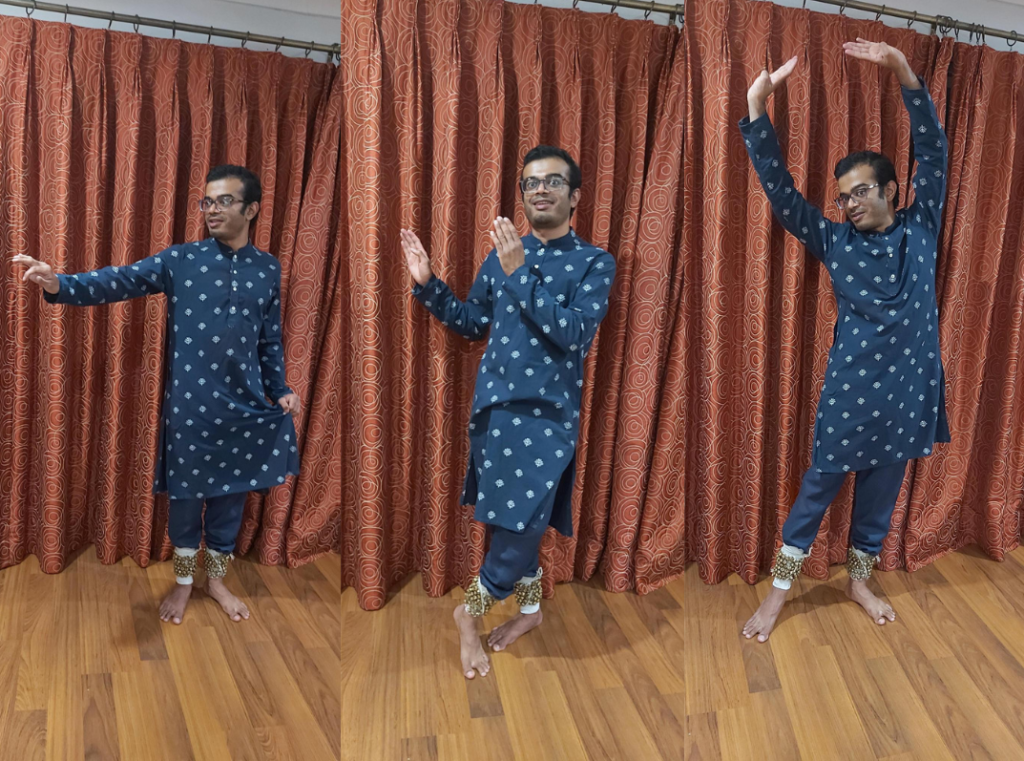
“I am an adult male kathak dancer and student under Guru Sumita Dutta with three years of learning and experience in the dance form of kathak from the Lucknow Gharana. I am a UK-born and Australian citizen with roots that go all the way back to Gujarat, known for its sweetness and garba – the regional folk dance of this state. While coming from this cultural background, most of my formal education has been in Western countries, and kathak provides another lens through which I see the world.
The reason I wish to write this piece is tied to my own experiences, as well as my interest in the historical gender shift in kathak, the experiences of male Indian classical dancers and some of the stigmas they face while continuing to pursue dance as a hobby.”
——Krishna Gami
Origins of Indian Classical Dance
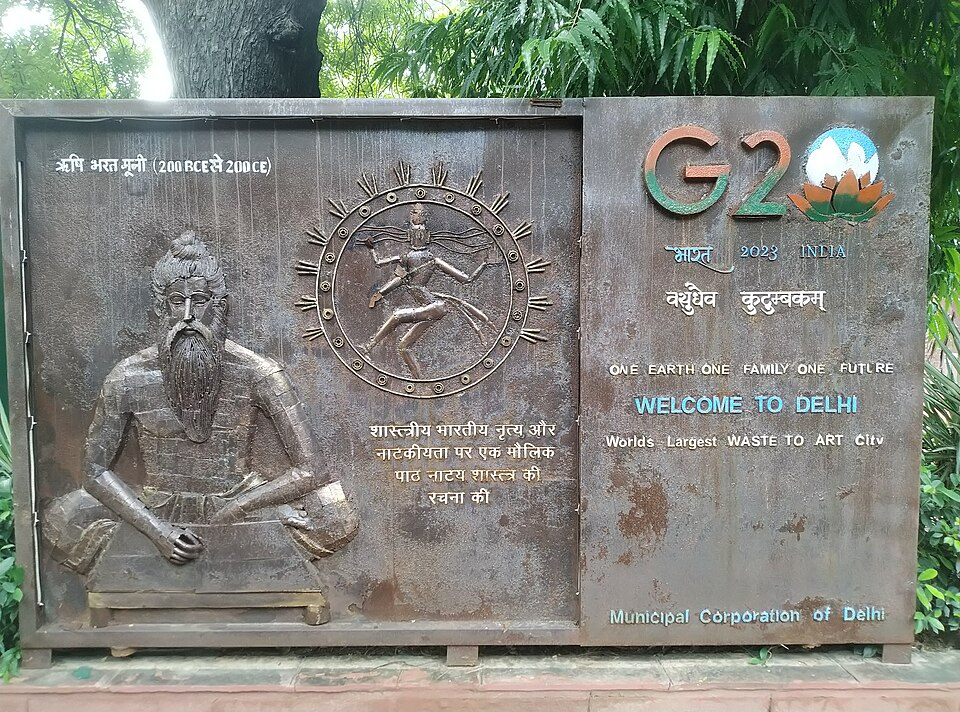
The Natyashastra, composed by Bharata Muni, is the richest and oldest source of knowledge for the performing arts.
It dates back to 200BCE and 200 CE and provides a structured format on how a performer should execute bodily movements and expressions to convey stories and connect emotionally with the audience.
The Natyashastra was founded on patriarchal values and idealised roles shaped by the male gaze. Women were positioned as objects of beauty and desire, while men were portrayed as narrators, writers and interpreters.
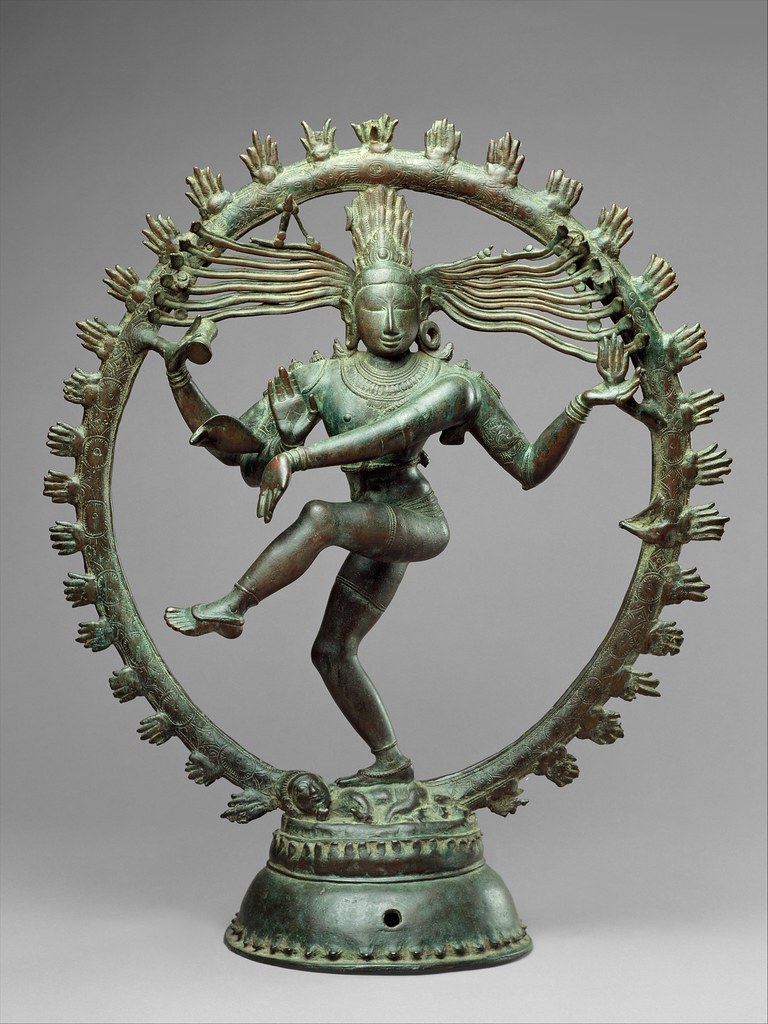
There is also a distinction between the feminine (lasya) as a graceful, expressive form of dance and the masculine (tandava), a rigorous and strength-based form.
Kathak’s Timeline
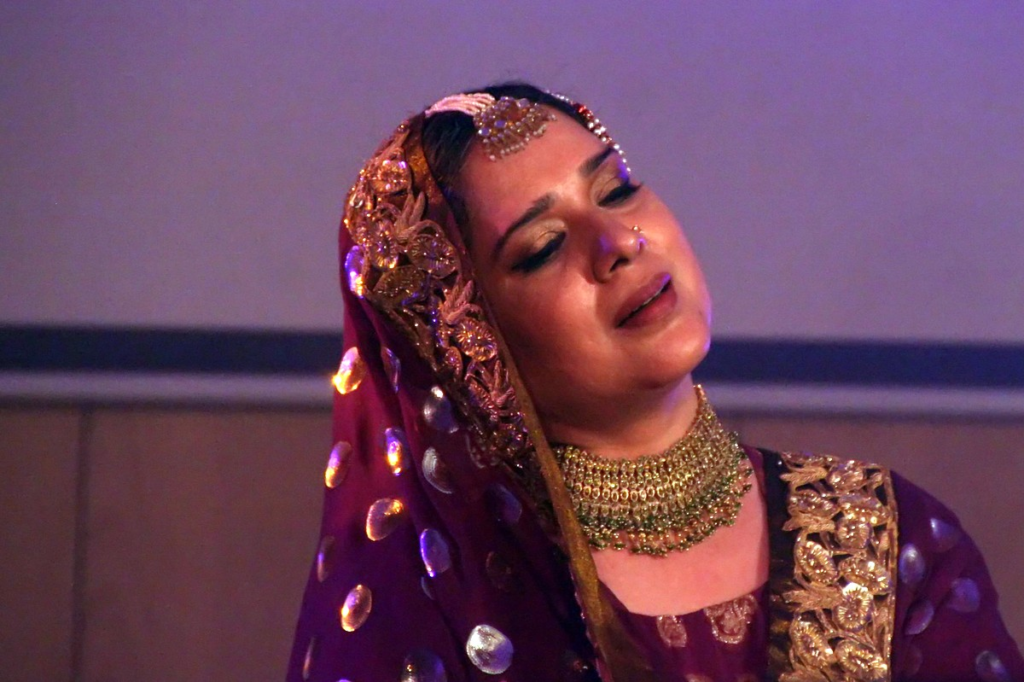
Kathak is part of the recognised classical dances of India and originates in the Northern region (Uttar Pradesh). This humble classical dance draws its roots from a temple dance, which was a means of storytelling (katha in Sanskrit)
More than mere entertainment, this dance form is considered an act of devotion consisting of spins (chakkars), intricate footwork (tatkar) and the use of expression (bhava) to convey acting (abhinaya).
With the rise of the Bhakti movement, saints encouraged more aspects of expression with direct connection to deities – particularly Lord Krishna – over ritual formalisation, freeing up space for expression instead of the rigid structure imposed by the Natyashastra.
During the time of the Mughal Empire, kathak moved to the courts following the largescale destruction of temples. These traditional platforms were no longer a viable option of performance, so the kathakars (storytellers) found refuge in the courts of nawabs (kings).
Within these courts, the artform shifted from a spiritual offering to entertainment in courtly environments, transforming Kathak’s identity and purpose in Indian heritage while taking on aspects of Persian culture and influence.
Fast-forward to the 19th and 20th century, when this artform underwent further transformation thanks to a powerful group of women called tawa’ifs (courtesans). They were an elite class of performers spearheading the creation of poetry, dance and music in the form of cultural commons in Northern Indian princely states, such as Lucknow, whose kothas (residences) served as a place for vibrant cultural productions.
A rapid decline in the time of British colonialism and the anti-nautch movement post-independence, combined with nationalist efforts to purify dance, stripped them of their high status in society with their livelihoods and space following suite.
Much of the modern Indian fashion trends, weddings, music and arts are influenced by the direct contributions of the tawa’if community, but colonial viewpoints and a change in societal norms have taken them away.
However, the Sufi Kathak Foundation has tried to revive and highlight the significant role the courtesans played in culture, freedom and education in Northern India.
Experiences from my journey as an MICD
Under colonial rule, tawa’ifs became stigmatised and associated with moral decay. Nowadays, Male Indian Classical Dancers (MICD) face stigmatisation of a different kind.
MICDs experience name-calling, bullying, taunting and slandering when pursuing dance professionally and trying to navigate their self-perception, artistic identity and societal expectations of what it means to be masculine.
While my experiences have been usually positive, I have felt isolated as an MICD as there were few male dancers to look up to.
However, male dancers are hoping to redefine norms of masculinity and gain acceptance with the help of community.
I once attended a workshop to introduce youth to the world of Indian Classical Dance through the Shree Kutchi Leva Patel community. This happened thanks to the invitation of my own kathak guru (teacher) Sumita Datta and guru Rani Balagangadhara, a teacher enlightening youth on the Indian classical dance forms of kathak and Bharatanatyam.
There were other individuals that had only experienced cultural dance through garba, a folk dance of the state areas of Gujarat in Northwestern India, and Bollywood. The feedback was overall positive and provided these individuals with something they would have not otherwise experienced.
I wanted others to experience what I did when going to my weekly kathak classes: improved relationships and my social and emotional wellbeing.
Growing up, cricket and football formed the bulk of discussion in boys’ social groups, so kathak has helped me get an understanding of the issues that women face not only in male dominated spaces, but in workplaces, across industries and sports.
This is applicable to other individuals within marginalised groups.
Kathak has helped me understand the experiences of others and has provided a means of facing adversity together.

Krishna is a student of the Master of Science Communication at UWA. He is passionate about games, cultures around the world and informal learning spaces. In his spare time, you will find him doing his daily kathak practice or exploring quirky areas of novelty in science or interesting events in Perth and the world.

All opinions on this website are representative of individuals and are not representative of The University of Western Australia. The University of Western Australia is not liable for content herein.