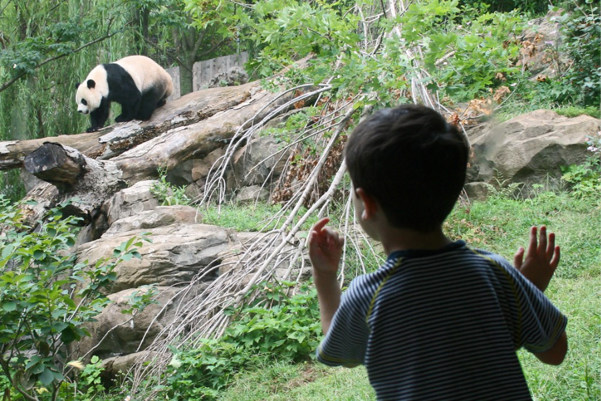
We’re used to seeing charismatic megafauna, such as cuddly panda bears and iconic Bengal tigers, step on board the Noah’s mighty conservation ark.
But was there room on board for the vulnerable shield-backed trapdoor spider? What about the tiny and critically endangered Kuranda tree frog? Maybe the slimy Kaputar pink slug? Or are these species deemed less valuable than their flagship counterparts?
The ‘Noah’s Ark problem‘ refers to the challenge of deciding which species to prioritise for conservation.
Named after the biblical story of Noah saving pairs of animals from an impending global flood, this poignant metaphor highlights the difficult decisions faced by conservationists in selecting which species to ‘save’ in the face of the widespread extinction crisis.
These decisions, however, are often swayed by personal, cultural, social and political values.
EPISTEMIC VS. CONTEXTUAL VALUES OF SCIENCE
Epistemic values, grounded in scientific objectivity, emphasise the importance of preserving biodiversity based on ecological roles, genetic diversity, and ecosystem stability. These values advocate for a data-driven approach to conservation, ensuring that efforts are directed towards species that contribute most significantly to ecosystem health.
In contrast, contextual values reflect societal, cultural, and emotional preferences that can influence scientific outcomes. In conservation, this often leads to the prioritization of ‘cute’ or charismatic species that resonate more with public sentiment.
Noah, like all humans, was not immune to subjective values.
WHO GETS LET ON THE SHIP?
Speciesism manifests in how we see ourselves in relation to the world. From this position, we subconsciously prioritise the interest of certain species over others.
Amphibians have some of the highest extinction rates worldwide of any vertebrate animals. Not only are they especially susceptible to pollution, habitat destruction, disease and competition from invasive species, but they rarely get the credit they deserve amongst society.
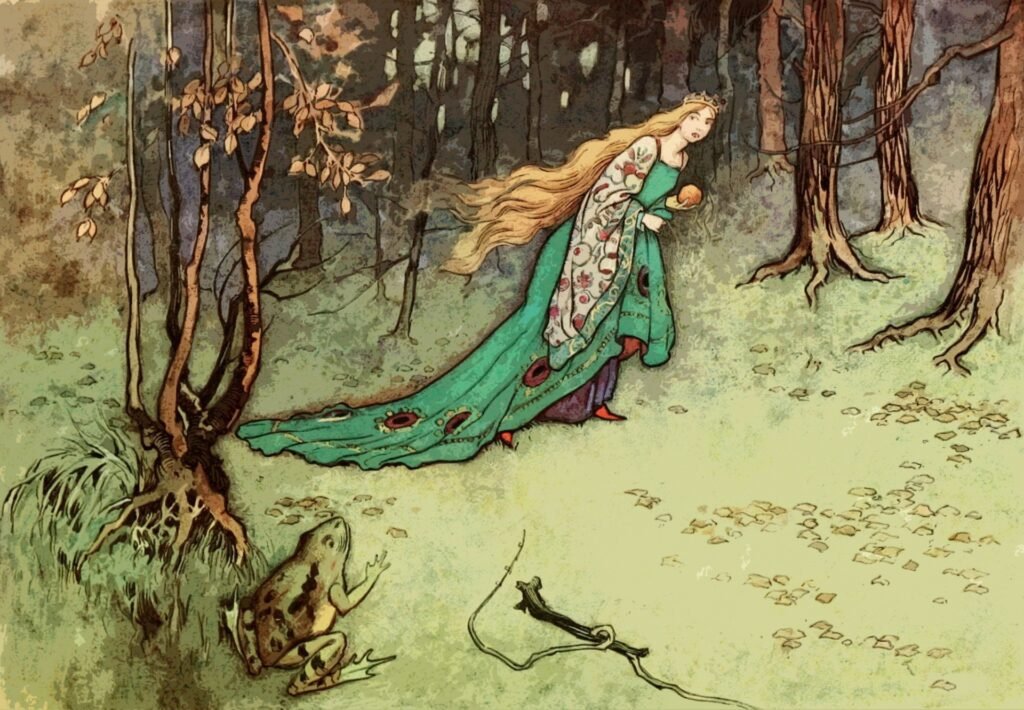
Fairy tales have done the amphibians a great disservice. Watching the princess grimace as she kisses the ‘slimy’ and ‘gross’ frog has hindered their ability to be seen as beautiful or useful.
This logic can be applied across numerous taxa. For instance, no one wants to conserve spiders when they elicit a visceral response of disgust amongst many people.
Such bias underscores the ethical complexities in conservation, where contextual values can overshadow scientific and ecological priorities.
But would a world free of these values be any better off?
VALUE-FREE IDEAL
The value-free ideal in science is a principle that suggests that scientific inquiry should be free from contextual values. This ideal maintains that scientists should aim to produce objective knowledge that is not influenced by the biases and values of the researcher or society.
But should conservation aim to drop the use of flagship species to promote conservation initiatives? After all, charismatic species can be crucial for raising public awareness and mobilizing financial support for conservation.
It’s unrealistic to expect values to be entirely removed from science, but their impact can be acknowledged, and we can learn from it.
Biodiversity conservation is not merely a scientific endeavour but a socio-ecological one. It involves the preservation of various life forms and ecosystems, which are intricately connected with human communities, their cultures and their livelihoods.
Sure, breaking down millennia of intrenched biases against unappealing or unimportant species is a feat akin to building an ark with your bare hands. But we have to start somewhere, right?
Maybe that somewhere is recognising that conservation is fundamentally an expression of human values.
Conservation should be advocated for people, not from people.
By understanding and embracing this, we can strive to create more inclusive conservation strategies that do not solely rely on the appeal of certain species, but address the needs of entire ecosystems of which we are a part of – not apart from.

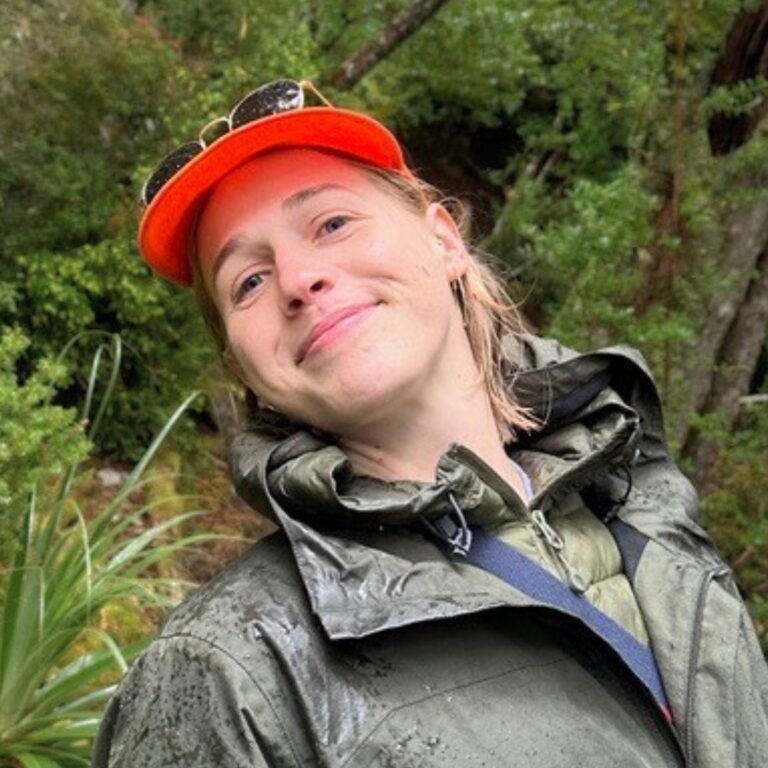
Kelly is a Master of Science Communication student at The University of Western Australia with an interest in environmental humanities, citizen science and participatory action research. Her research often brings together conservation and ecology with a focus of understanding the people and communities at the heart of it. When she’s not studying you can often find her knitting in unusual places or searching for frogs at the local wetland.
All opinions on this website are representative of individuals and are not representative of The University of Western Australia. The University of Western Australia is not liable for content herein.