Many of us might be aware of copyright laws and the Creative Commons.
But what laws protect heritage and trade from exploitation? What can be done to combat it in a world of copies while protecting the artisans that produce these goods?
That’s where the geographical indication (GI) tag comes in.
WHAT IS A GI TAG?
According to the World Intellectual Property Organisation (WIPO), a GI tag identifies products from a specific geographic origin, as well as the quality and reputation of this location.
GI tags work as a form of intellectual property that protect artisans, local businesses, farmers and their products in a global marketplace, while ensuring their quality, authenticity and traceability.
Café de Colombia, Darjeeling tea and Swiss watches are a few examples of products protected by GI tags.
However, awareness of GI tags remains limited, as does the willingness to pay a premium for the specific product.
THE WORLD OF HANDLOOM SAREES
In India, the handloom saree industry is the country’s second-largest source of employment, after agriculture, in rural and semi-rural areas.
Undoubtedly, the saree is an important women’s traditional attire in India, and its craftsmanship is a contribution to world heritage and diversity.
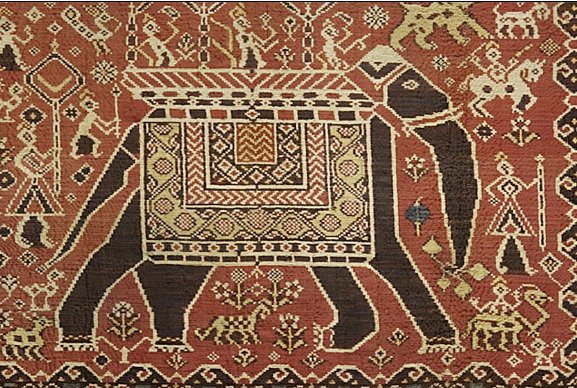
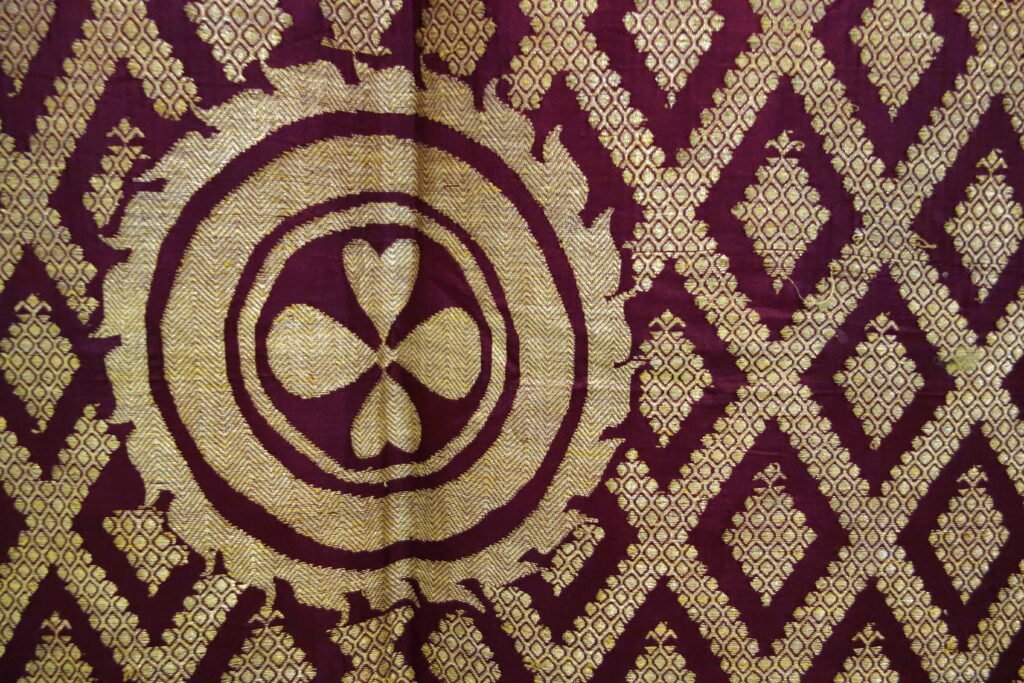
An unstitched garment with virtually no rivals, the saree showcases diverse weaving techniques and an exquisite array of materials – ranging from fine cotton and silk to metallic threads of gold and silver.
Iconic types of saree are known worldwide and are valued for their weaving techniques, as well as the locations in which they are made.
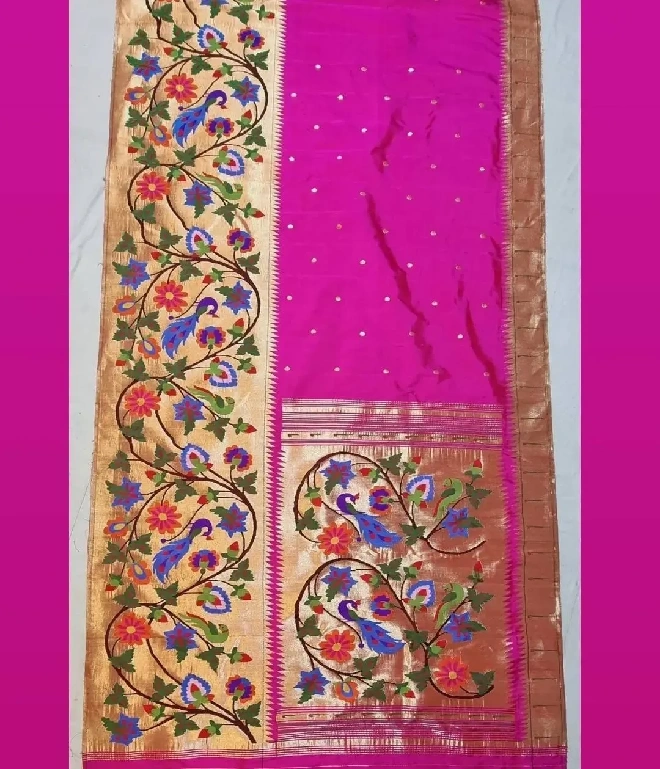
Take Maharashtra’s Paithani saree.
Although this iconic piece of intangible heritage holds a GI tag, the craft is struggling to stay alive.
Lack of consumer awareness of authentic handloom products, paired with weak industry protections, leaves artisans vulnerable.
Additionally, the rise of the power loom and machine-made crafts outcompetes the handloom industry, undermining their unique cultural and economic value.
After all, a living tradition should be worn and celebrated by people.
RE-VITALISING THE SAREE
Raising awareness of the GI tag and rebranding the saree as a sustainable cultural icon can bring new life to handweaving and help preserve the craft.
UNESCO has created a curated representative list of Indian textile crafts to highlight their importance and raise global awareness.
Prime Minister Narendra Modi launched the first National Handloom Day in Chennai on the 7th of August 2015, marking a nationwide effort to honour and support handloom weavers each year.
Aside from boosting recognition, the Government of India supports the handloom weavers by acting as an advisory board and providing solutions to combat issues posed by domestic and international markets.
Swadesh, one of the many artisanal businesses in the country, works with artisans to showcase their hand-crafted products.
Moreover, many businesses support handloom weavers by helping familiarise consumers with GI-tagged items.
But support for weavers can extend beyond a saree’s shelf-life.
In a process known as upcycling, used handloom sarees can be re-incorporated into products like quilts, furniture fittings, tote bags and other goods – ensuring eco-friendly practices for the handloom textile industry.
Compared to fast fashion items, sarees are highly adaptable, durable and harbour a classic appeal.
ARE GI TAGS ENOUGH?
GI tags play an important role, but the label alone isn’t enough to keep traditional crafts alive.
True sustainability requires a collective effort.
Choices, government oversight and the onus on businesses that sell these goods can greatly enhance the long-term preservation of these practices.
GI tags help consumers know where their goods come from. But consumers should also understand the value of the tags and how they help keep traditional crafts alive.
Only then we’ll be able to stop hand-crafted goods from being a thing of the past – or ending up as a museum exhibits.

Krishna is a student of the Master of Science Communication at UWA. He is passionate about games, cultures around the world and informal learning spaces. In his spare time, you will find him doing his daily kathak practice or exploring quirky areas of novelty in science or interesting events in Perth and the world.
All opinions on this website are representative of individuals and are not representative of The University of Western Australia. The University of Western Australia is not liable for content herein.